7 must-have roadside emergency supplies
7 must-have roadside emergency supplies

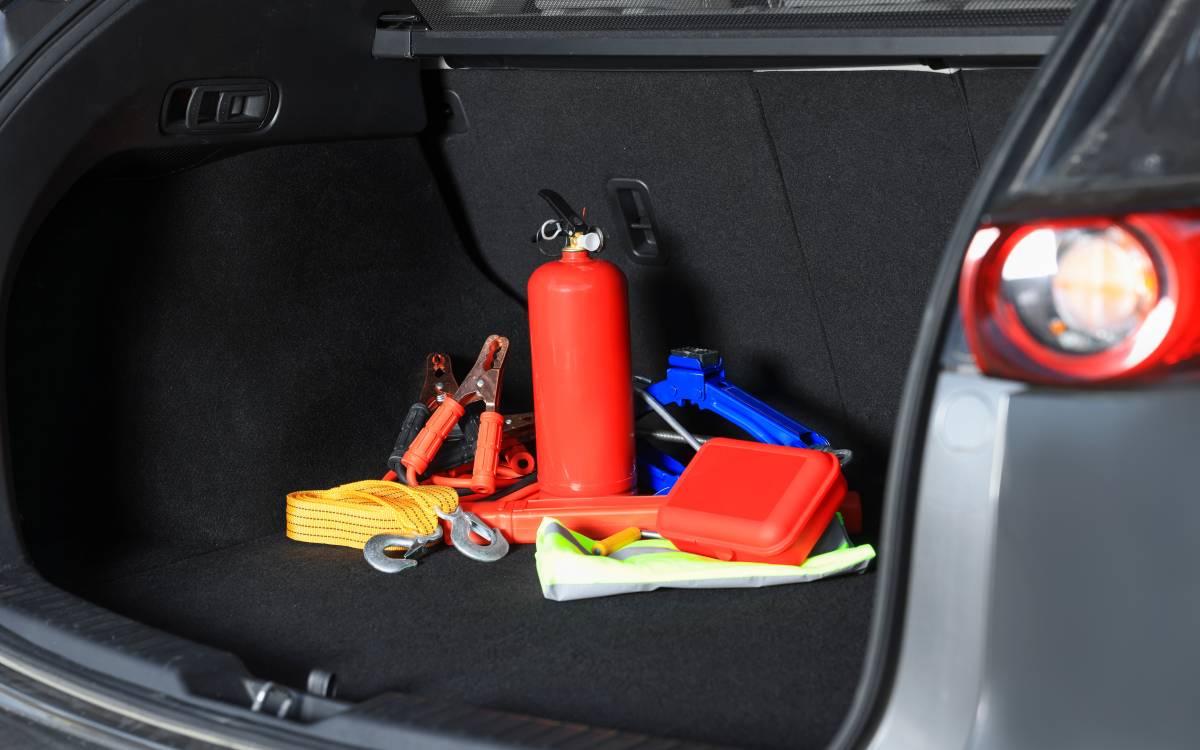
When vehicles break down due to mechanical or electrical issues, drivers require immediate roadside assistance. Whether facing flat tires or dead batteries, being stranded on the road can be dangerous. To prevent such incidents, regular vehicle maintenance is essential. If a breakdown occurs, drivers can call professional roadside services or rely on an equipped auto emergency kit to manage the situation safely. Irrespective of the scenario, proper preparation guarantees safety and offers peace of mind.

First aid kit

If someone gets injured on the road, first aid kits can provide a quick solution or a temporary fix. But a first-aid kit is only as useful as the supplies it contains. Gauze, bandages, adhesive tape, ointments, antiseptic wipes, cotton swabs, and necessary pain treatments are some starter items for a first-aid kit. Adding some tweezers, scissors, and a thermometer is a good idea.

Toolbox

Another must-have for the car is a basic toolbox. Carrying an emergency kit provides solutions for minor repairs and ensures safety if a vehicle breaks down in the middle of nowhere. Ensure the kit includes all basic tools, such as pliers, coolant, antifreeze, duct tape, tire iron, reflective triangles, screwdrivers, a tire pressure gauge with a sealant or inflator, and a jack.

Jumper cables

When a car’s battery fails, jumper cables can be a savior. To avoid paying for a tow, always carry a set of jumper cables with heavy-duty clamps. If one doesn’t have the necessary tools, a helpful stranger can jump-start their dead battery with their own cables. All that will need to be done then is to attach the clamps to the correct battery terminals and follow the set instructions.

Flashlight and visibility gear

When driving at night, emergencies can occur without warning. In such situations, a reliable flashlight can serve as a beacon in the dark. Low visibility, especially when changing a flat tire, inspecting the engine for repairs, or jump-starting a dead battery, can be stressful. So, make sure to invest in visibility gear, a heavy-duty flashlight, and extra batteries. One can also replace flashlights with a headlamp, as it offers better visibility and frees up a hand.

Flat tire kit

With the right tools, one can easily manage a flat tire without needing a spare. A jack, lug wrench, tire gauge, sealants, a spare tire, gloves, and wheel chocks are basic requirements for replacing a flat tire. A tire gauge helps provide real-time measurements of the air pressure inside the tire. A sealant, as the name indicates, coats the inside of the tire, finds the puncture, and seals it from the inside out. And if a tire is underinflated, a canned tire inflator can do the trick. However, it is important to note that these are only temporary fixes till one can find a professional to address the issue.

Fire extinguisher

Car fires often start small, normally from engine overheating or a wiring issue. This makes a fire extinguisher a fundamental tool for auto emergencies. Drivers will need to check which class of portable fire extinguisher is recommended to carry and invest accordingly. Ensure the extinguisher is easily accessible during an emergency.

Emergency flares and beacons

There is no telling where a car could stop working. It could be a rural road, a busy city street, or the highway. In such cases, it might be difficult for other drivers to spot the stranded vehicle. Setting up flares or battery-powered beacons around vehicles helps alert oncoming traffic. This advanced warning allows other drivers to take precautionary measures, ensuring everyone’s safety. Investing in warning triangles can also pay off. One simply needs to place a couple or more to the side of their car, advising drivers of the stranded vehicles and the occupants’ presence.

Recommended

Car financing options – Banks, dealerships, and credit unions

Car financing options – Banks, dealerships, and credit unions

When buying a car, the best thing is to pay the full amount upfront. This way, one becomes the owner immediately and avoids the risk of the car being repossessed. One also does not have to worry about monthly installments or interest charges. However, making a total upfront payment might not be possible if the vehicle is expensive and one has limited savings. In this case, looking into car financing options might be necessary. What is car financing? Financing a car means buying it by borrowing money. One can borrow enough money to cover the entire purchase or make a partial payment (down payment) on their own and use the borrowed amount for the rest. The outstanding sum, along with interest, must be paid back to the lender in monthly installments. Most auto loans are secured, meaning the car being bought serves as collateral for the loan. So, if one misses more than a set number of payments, the lender has the right to repossess the car and sell it to recover their money. They can also repossess and sell the car if one violates any loan agreement. Auto financing options Banks One can apply for an auto loan from a bank by visiting its website or a nearby branch.
6 key tips for selling a used RV

6 key tips for selling a used RV

Demand for RVs is at an all-time high due to remote work, tax refunds, and flexible travel. So, the process of selling a used RV can be simplified with significant time, research, and effort. One can choose to sell it through a dealer or by oneself. Additionally, the RV needs to be prepared for sale, which involves addressing repairs, creating listings, taking photos, and more. To simplify this process, having a checklist can be helpful.  Clean thoroughly Before listing a used RV for sale, ensure the vehicle is thoroughly cleaned for the next owner. Make sure to deep clean the RV, both inside and out. Use a pressure washer on all accessible surfaces, as this will ensure the exterior has a shiny, squeaky-clean look when complete. Do not overlook the carpet and any bedding; shampoo and vacuum them to remove all the trapped dirt and microbes. Make every effort to show buyers that the RV has been well-maintained. This process will help one get a decent value for the vehicle. Depersonalize When selling an RV, depersonalizing it is important. Remove all personal decor, furniture, bumper stickers, and anything else that reflects the previous owner’s personal touch and space. Essentially, the aim is to eliminate any visual reminders that the RV was previously used as a home, as potential owners need not be reminded of its past users.
Top 6 coupe cars in 2026

Top 6 coupe cars in 2026

For drivers seeking a combination of everyday comfort and sporty features, coupes are an excellent option to consider. The latest lineup features a wide range of cars, including affordable rear-wheel-drive sports models, sporty options, and upscale luxury vehicles. With so many options available, it can be confusing to make the right choice. So, learning about the top models, their key features, and prices can help one make an informed buying decision. Toyota GR86  This compact car features a 6.3-inch ground clearance, four seats, and 6.3 cubic feet of trunk space, making it suitable for those looking for a coupe for daily commuting. Under the hood, it is equipped with a 2.4L turbo flat-four engine that is capable of producing 228 horsepower and 184 lb-ft of torque. Buyers can choose between a 6-speed manual and an automatic transmission, both paired with rear-wheel drive. The car delivers a combined fuel efficiency of 22–24 mpg and comes with a Torsen limited-slip differential and a sport-tuned suspension. Inside, the cabin is fitted with an 8-inch touchscreen compatible with Apple CarPlay and Android Auto. The starting price is around $30,000. Subaru BRZ Like the Toyota GR86, this affordable coupe also features a 2.4L boxer engine that delivers 228 horsepower and 184 lb-ft of torque.
Top 6 tips to buy a car

Top 6 tips to buy a car

Buying a new vehicle is often a big-ticket investment. Given the high costs involved, potential buyers must carefully plan the purchase. This may involve deciding the budget, looking into safety ratings, and assessing daily lifestyle requirements. This needs to be done before visiting any dealership. The process of buying a brand-new or pre-owned model requires thorough research, a detailed physical inspection, and a clear understanding of the final paperwork so that the purchase is well worth the money spent. Before visiting a dealership Decide the budget A top auto purchase advice is to set a budget before deciding which car to buy. When setting a budget, having a clear understanding of a car’s total cost helps. The total cost usually goes beyond the sticker price. It includes state-specific taxes, registration, and title fees. Many buyers get their credit reports beforehand to ensure all information is correct, as these records can directly affect their financing options and interest rates with auto loan lenders. Buyers can also approach a local bank or credit union for pre-approved financing, which can help them compare options at a dealership. Compare and shop To determine which car is the best choice, buyers should list their basic requirements.