4 mistakes to avoid before buying an SUV
auto

4 mistakes to avoid before buying an SUV

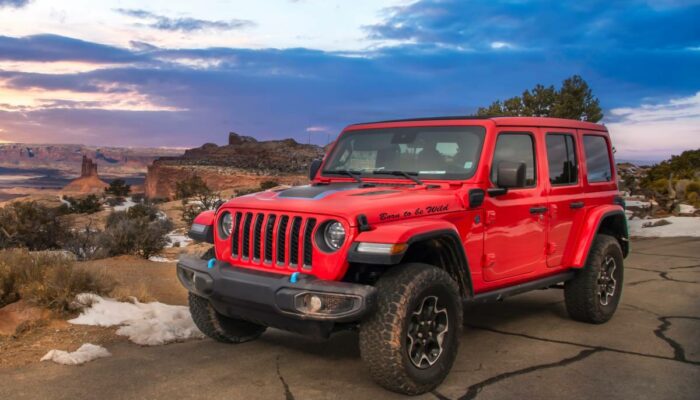
Buying a new car, like an SUV, is usually a major purchase decision. It is typically a one-time investment for many who do not plan to switch vehicles for a few years. This means that simply opting for the latest make and model is not enough. You must consider the necessary features based on your and your family’s needs. So, here are a few mistakes to avoid when buying a new SUV: Focusing on the exterior Major brands manufacture compact SUVs, mid-size SUVs, and even luxury SUVs that come with many features and upgrades, each usually better than its predecessor. However, you need to compare features and not just go for only the exterior build and design, as what matters more is the car’s performance, engine, and comfort. Going for unnecessary accessories Premium and luxury cars are already loaded with advanced features. So when buying a new SUV, do not overspend on extra upgrades that the salespeople may make you believe are crucial. Install what is essential as there is always room for upgrades later. Underestimating safety features Modern vehicles, especially SUVs, come with safety features that are a mandate in many states. Some of the crucial safety features you need to consider are automatic braking, stability control, airbags, and sturdier builds.
Read More
5 common mistakes that rookie truck drivers should avoid
auto

5 common mistakes that rookie truck drivers should avoid

Beginning a new career, especially one that involves driving across the country, can be exciting. Truck drivers transport everyday essentials, whether it’s phones, clothes, or construction materials, making their job crucial for the functioning of businesses and households. However, many rookie drivers can make mistakes in their first few days on the job. Some such mistakes can cause significant damage to life and property. So, here are common lapses that rookie truck drivers should avoid: Going too fast Truck driving regulations in the country allow up to 20,000 pounds per single axle and up to 34,000 pounds per tandem axle, meaning the load can exert a lot of pressure on the wheels. Driving too fast may result in a loss of control and subsequent overturning of the vehicle or an accident. This is why it is best to practice caution while driving the truck, and remember that an accident can slow you down way more than driving at reduced speeds. Rookie drivers should be even more careful when going downhill, as downshifting and slowing down may become tougher in that stretch of road. Ignoring road signs One of the most common rookie truck driver mistakes is not paying attention to road signs.
Read More
Be wary of these common used car buying mistakes
auto

Be wary of these common used car buying mistakes

Buying a used automobile comes with its risks and benefits. You buy cars for a lower on-road price and have the luxury of modifying them to your liking. But also, you need to verify every purchase-related factor as this is not a factory or dealership-sold vehicle. Also, it doesn’t matter if you are buying for the first time or have bought one before. Here are 5 used car buying mistakes to avoid. Not knowing your type of vehicle Not knowing what type of vehicle you need is one of the common mistakes to absolutely avoid. Don’t just browse the market and go for the cheapest deal. You should always start with a basic budget and compare automobile brands that offer vehicles for that purchase price. Also, price should not be the only determining factor as you must find a vehicle suitable for daily driving. For example, don’t buy a sports sedan when you actually should buy a large six SUV at that same price for family use. Not taking a test drive Used vehicles should always be taken for a long test drive. Remember, this vehicle has not come fresh from the factory manufacturing unit and is transported straight into the showroom.
Read More
Steer clear of these 5 mistakes when replacing engine oil
auto

Steer clear of these 5 mistakes when replacing engine oil

All vehicles come with moving mechanical parts that grind against each other. Here’s where one needs to add oil to the engine and other vehicle components to ensure these parts move smoothly. However, engine oil can lose viscosity with time and must be changed regularly. But a person may make several mistakes when replacing the oil in a vehicle. Here are six errors to avoid to improve the lifespan of a vehicle. Not warming up the engine Engine oil at cooler temperatures might be sluggish when drained from the engine. This may increase the time it takes to drain the oil. What’s worse is that the liquid will not fully drain from the engine, and there will be residue still stuck in the engine parts. So before draining the engine oil, a person must start the vehicle and let it run on idle for about five to ten minutes. Idling the engine will bring the oil up to the normal operating temperature, ensuring it drains correctly. Putting back the drain plug incorrectly Most people are oblivious to how tight they should make the drain plug when they screw it back on. Some people leave it loose and end up staining the interstate and stalling halfway through their journey.
Read More
5 rookie mistakes pickup truck drivers should avoid
auto

5 rookie mistakes pickup truck drivers should avoid

Pickup drivers, typically beginners, often find themselves navigating a learning curve filled with trials and errors. While owning a pickup truck can be exhilarating and practical, it comes with its set of challenges. This article explores some rookie mistakes pickup truck drivers should be mindful of to ensure road safety and their vehicles’ durability. By steering clear of these errors, novice drivers can enjoy a smooth and enjoyable journey with their pickup trucks. Overloading the truck bed One of the most common mistakes new pickup truck drivers make is overloading the bed. It can be tempting to pile on a heavy load, but exceeding the vehicle’s payload capacity can lead to dangerous handling, reduced fuel efficiency, and excessive wear and tear on the truck’s suspension and brakes. One should consult the truck’s owner’s manual to determine its maximum payload and adhere to it. Moreover, weight should be distributed evenly, and appropriate tie-downs should be used to secure cargo. Ignoring towing capacity Understanding and respecting the towing capacity is paramount for those who use their pickup trucks for towing. Novice drivers may attempt to tow loads that exceed the truck’s limits, jeopardizing safety on the road. To avoid this mistake, one should confirm the truck’s towing capacity and ensure the trailer and load fall within those limits.
Read More
6 mistakes to avoid while changing a Jeep’s oil
auto

6 mistakes to avoid while changing a Jeep’s oil

Changing engine oil is a mundane yet essential task to improve a car’s performance, durability, and mileage. This is true for all cars, including Jeep models. Not changing the oil can cause the automobile to overheat, increasing maintenance and repair costs. Typically, Jeep SUVs require an oil change every 3,000-5,000 miles and 7,500-10,000 miles for conventional and synthetic oil, respectively. One must avoid making these mistakes while changing the oil in Jeeps. Using the wrong oil Using the wrong oil can cause significant damage to a vehicle’s components. It can increase the rate of wear and tear and result in substantial maintenance costs. Hence, customers must understand which type of oil to use and when. For example, since the oil tends to thicken during the winter, thinner oil works well. Similarly, one may use thicker oil during warm weather conditions. Individuals may use either conventional or synthetic oil in a Jeep. Synthetic oil is preferred because it is more refined and ensures better longevity. It also ensures better performance during extreme weather conditions. Experts say one must continue using the same type of oil and avoid mixing. Not considering the Jeep model one owns Jeep suggests using specific types of oils for its models.
Read More
5 issues to check for before buying a used RV
auto

5 issues to check for before buying a used RV

Thinking about the motorhome lifestyle where you can drive off to any part of the country without having to worry about work or rent? Is the full-time RV life calling out to you? There are numerous reasons why you should pursue the nomadic dream, but before you make that huge investment, carefully weigh its pros and cons. To help you out, here are five common issues to check for before buying a used RV. Common issues to expect and check for in secondhand RVs Water leakage Water leaks are an inevitable problem if the RV has been used for a while. Even if you invest in the best make and brand available on the market, preparing for all weather scenarios is impossible. Ensure you thoroughly check the floors, outer panels, inner walls, and roof for any signs of water damage. Hardened sealants, cracking, and delamination are all problems that can promote water damage. Before buying a camper, crosscheck its repair and damage history to be entirely certain. You can also take the advice of your regular mechanic or a knowledgeable friend/family member. Clogged air conditioner Checking the RV’s electrical fittings is just as important as checking its engine. You don’t want to invest in a vehicle that has a faulty HVAC and air conditioner.
Read More
Avoid making these car maintenance mistakes
auto

Avoid making these car maintenance mistakes

Your car plays an important role in your life. It is used to transport the kids, to get to work, and in many other tasks. Taking care of it is an indispensable duty. Everything from critical engine parts to the paint on the exterior requires regular maintenance. It doesn’t matter if you’ve owned multiple cars or if you are a first-time car owner, avoid making the following mistakes when it comes to car maintenance. Ignoring warning lights Modern day vehicles are equipped with a comprehensive safety alert system. Lights installed on the dashboard flash to indicate electrical issues and problems with the engine or the battery. When the check engine light blinks consistently, you must drive straight to the service center and have a technician inspect the vehicle. Delaying these warnings can result in expensive repairs and part replacement that may or may not be covered under warranty. Not getting the wheels aligned Wheel alignment is a crucial maintenance task that needs to be done periodically. Driving conditions and terrain changes cause the wheels to wear out unevenly over time. Wheel alignment and rotation of the tires are done to ensure the car doesn’t oversteer or understeer in any direction due to misalignment.
Read More